You Know How to Communicate. But Some Conversations Don't Follow the Rules.
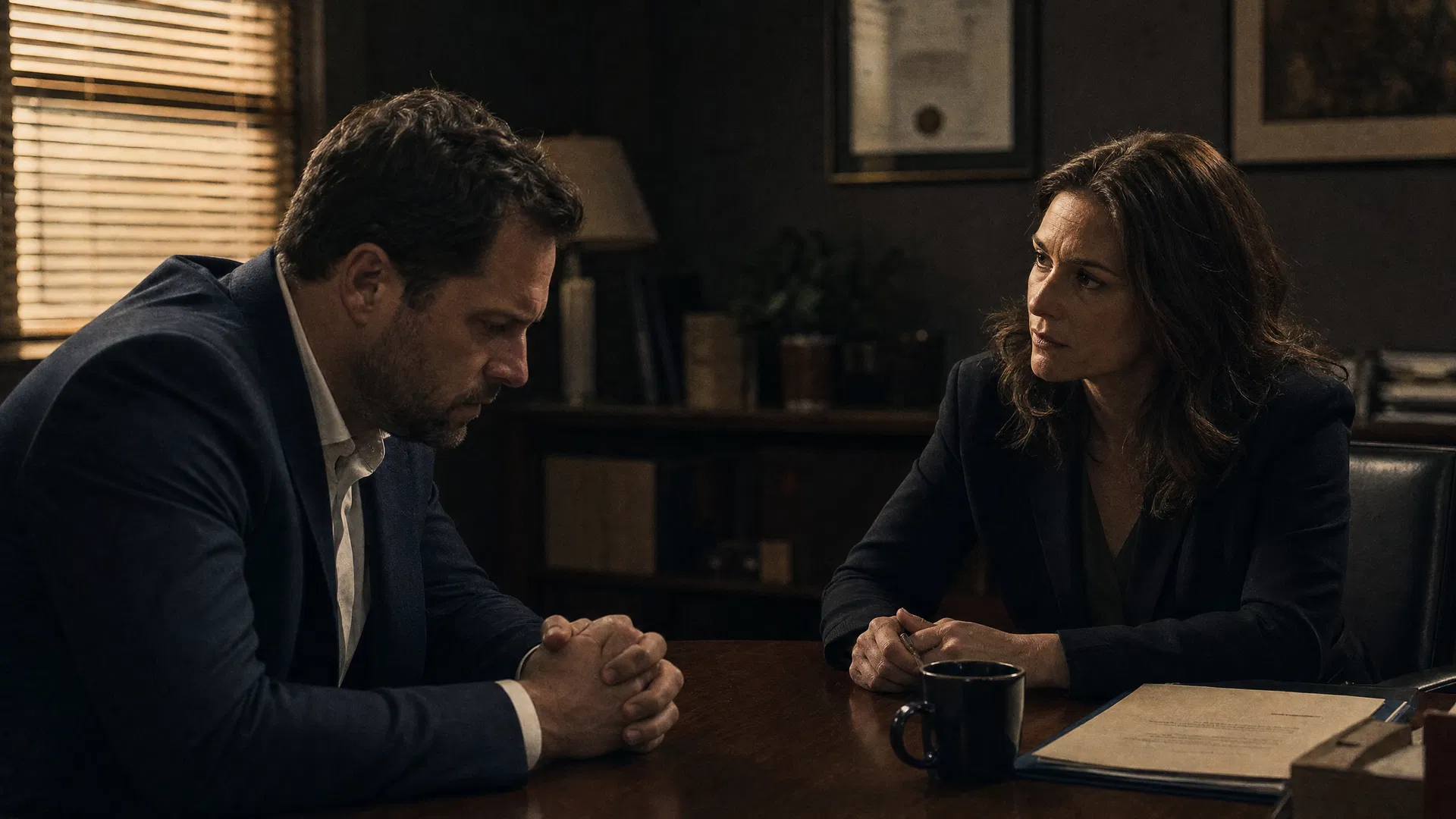
You were handling it fine. Then something shifted — defensiveness, grief, old history, or pain that had nothing to do with today's topic.
Messy Conversations is a 6-week live course that teaches you exactly what to do in that moment — and every one like it.
January 13 – February 24 · Wednesdays 2:00–4:00 PM CT · Virtual · Limited to 12 · Led by Abigail Doust, ACC (ICF)
Why Good Communicators Still Hit a Wall
You show up prepared. You know what needs to be said. You've even thought through how to say it.
And then something shifts. They get defensive before you've made your point. Or they go quiet in a way that doesn't feel okay. Or what started as a straightforward conversation takes a turn — and suddenly there's grief in the room, or frustration, or something that happened two years ago that neither of you planned on revisiting today.
You didn't do anything wrong. But you also didn't know what to do. Most communication training prepares you for the conversation you planned for. What it doesn't give you is a framework for what happens when someone brings in their history, their pain, their fear, or the unspoken norms and values shaped by where they come from — or all four — right in the middle of it. This is conflict management at its most human, and it's a skill.
"Is this a me problem? Or do they just need to leave their baggage out of it?"
The question this course was built to answer.
This Course Is for You If…
You don't have to be struggling with communication to be in the right place. This course is for people who handle most conversations well — and want to get better at the ones they don't. This isn't a course for HR teams or professional mediators. It's for people who care about the person across from them and want to get better at the moment things get hard.
You've walked out of a conversation that went sideways and still can't fully explain what happened
You know what you want to say, but the moment someone gets emotional, you lose your footing
You care about the people you lead, manage, or parent, and some conversations still feel like they're pulling you underwater
You've tried staying calm and neutral, but you want to be able to help people more effectively
You're tired of choosing between saying the honest thing and keeping the peace
Conflict doesn't scare you. But when grief, defensiveness, or old wounds enter the conversation, you're less certain of yourself
You're a capable communicator, and you want to get better at the part no one taught you
Beyond the Basics: What Messy Conversations Teaches
Most training teaches you what to do in a well-functioning conversation. This course teaches you what to do when someone starts crying mid-meeting. When they bring up something from three years ago. When they shut down instead of engaging. When they're carrying something they haven't named yet — and neither have you.
Read what's happening beneath the words — active listening that goes past the surface
Navigate conversations where both people are emotionally engaged — without losing your footing
Hold space for someone's pain — without trying to rush, rescue, or fix them out of it
Recognize resistance for what it actually is — and stop meeting it with pressure
Stay grounded when emotions, defensiveness, or grief enter the conversation
Know when to slow down, when to stay quiet, and when to lean in
You won't walk away with a script. You'll walk away with the ability to stay in hard conversations — and actually help move them somewhere.
A Week-by-Week Look at What You'll Cover
Each week builds on the last. The course moves from the hardest emotional territory inward — starting with what others bring into a conversation, and ending with how you stay grounded when they bring it. You'll practice what you're learning in real time — not absorb it and go home to figure it out on your own.
This Is Where You Practice, Not Just Listen
You can't get better at emotionally loaded conversations by watching someone else handle one. These skills have to be practiced — with real people, in real time, with feedback that's specific to you.
That's why Messy Conversations is live, virtual, and capped at 12 people. Every session, you'll apply what you just learned with others in the cohort. You'll receive feedback before you go home and try it. And you'll come back the following week having already used the skill in a real conversation.
Abigail has spent over a decade coaching people through some of the hardest conversations of their lives — across cultures, generations, and belief systems — and that experience shapes everything about how this course is built.
Most people come in thinking this is about handling other people better. They leave realizing it changed how they show up in every hard conversation.
What You Get When You Enroll
Live instruction. Real practice. And tools, recordings, and a personalized growth plan you keep long after the six weeks are over.
Next cohort
Messy Conversations
What's included
- 6 Live Conversation Labs with guided peer practice
- Personalized, 1:1 Feedback on your practice sessions
- Personalized Growth Plan based on your communication style
- Lifetime Access to all tools, templates, and course materials
- Private Learning Portal with session recordings
- 24 CE Hours (ICF-eligible)
- Certificate of Completion aligned with ICF standards
- A small cohort limited to 12 people so every participant gets real feedback, not just a turn to observe
Investment
$1,500
Or pay over four months: $380 per payment
Dates
January 13–February 24 (off February 10)
Time
Every Wednesday · 2:00–4:00 PM CT
Format
Six two-hour sessions, live via Microsoft Teams
Want to bring your group instead of coming alone?
Teams of 5 or more can enroll in a custom cohort.
Based in Denver, CO. Serving professionals and leaders nationwide.
A Few Things Worth Knowing First
Is this course for people who are already decent communicators?
Yes — that's exactly who it's built for. Messy Conversations isn't about rebuilding your communication from the ground up. It's for people who can hold their own in most conversations but hit a wall when someone brings defensiveness, grief, or history into the room. If you want to get better at the part no one taught you, this is the right next step.
Do I need to have taken Conversation Edge first?
No. Messy Conversations stands on its own. That said, if you're earlier in building your communication skills, Conversation Edge lays a strong foundation. And if you want to take a smaller step first, Question Shift is a 75-minute live workshop for $57 — a good way to experience Abigail's approach before committing to six weeks.
If Messy Conversations isn’t quite the right fit, check out Conversation Edge — a six-week course that builds the foundational communication skills that make every conversation go better, including the hard ones.
What if the problem is the other person, not me?
That's a question this course addresses directly. You can't control what someone else brings to a conversation. But you can change how you respond to it — and that changes more than you might expect. These skills help you hold your footing and stay present even when someone else is carrying the weight. That includes knowing how to de-escalate without dismissing what someone is feeling.
How much time does this take each week?
Plan for two hours of live session time plus roughly two hours of prep and homework. Most participants find the homework connects directly to conversations already happening in their lives — so it feels less like added work and more like intentional practice.
Are sessions recorded if I miss one?
Yes. Every session is recorded and available in your private portal. That said, the live conversation labs — where the real skill-building happens — can't be replicated from a recording. Most participants find they don't want to miss a session once they're in.
Is Messy Conversations a good fit for ministry contexts?
Absolutely! In fact, some of the hardest conversations people bring to this course happen inside churches and faith-based organizations. Abigail's experience in ministry is part of the reason this course covers what it does.
Want to Take a Smaller Step First?
Question Shift is a live, 75-minute workshop for $57. It's a good way to experience how Abigail teaches before committing to six weeks.
Explore Question Shift